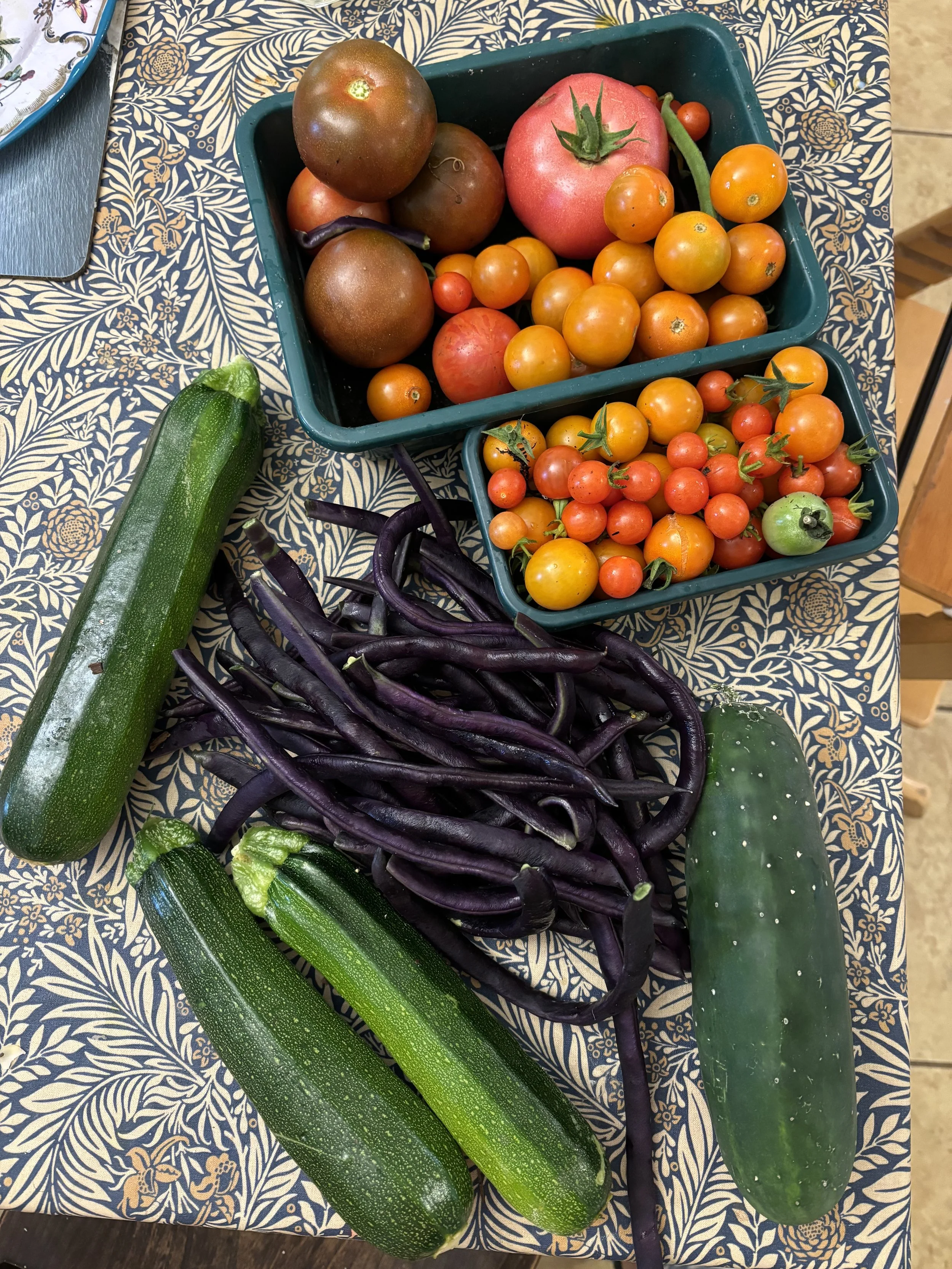
Digesting Self Sufficiency
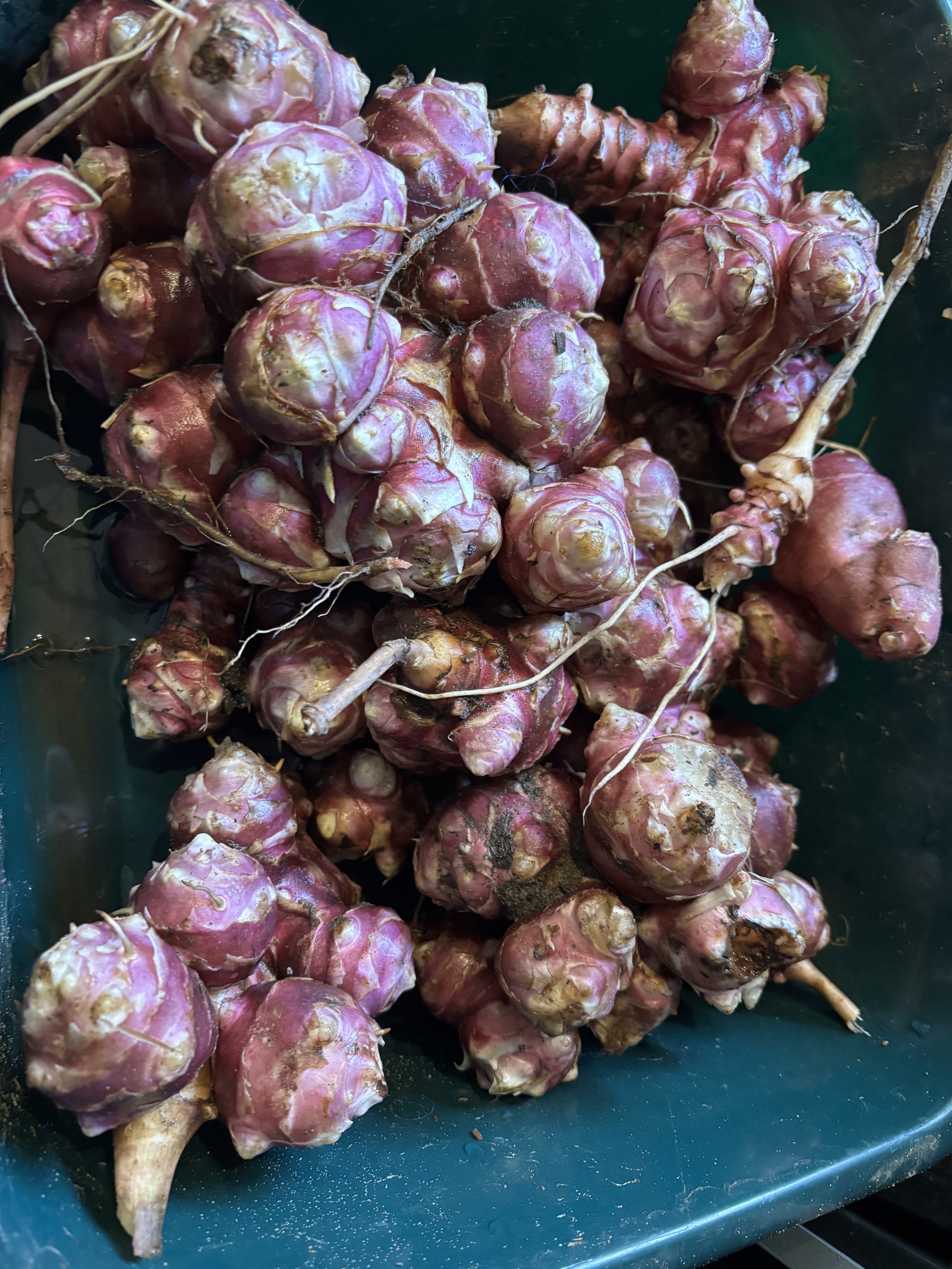
Jerusalem artichokes, fibrous and fiddly
This morning on my daily pilgrimage to the compost heap with a bucket full of veg scraps from the kitchen, I passed the already vigorous-looking stand of Jerusalem artichokes and my stomach groaned. When we moved here three years ago, my Dad handed me five beautiful, plump tubers to plant. That summer they formed five big, healthy plants and the following winter there were about 50 or so tubers to enjoy. Having eaten a lot of them over the winter, we discovered that the remaining 20 had become about 200 and that we were locked into gastronomic battle with a vigorous plant and the only way to keep it in check was to eat it by the bucket load. Today the patch is roughly the size of a King-size bed, showing no signs of weakening, even though I ate artichokes every day from November to March.
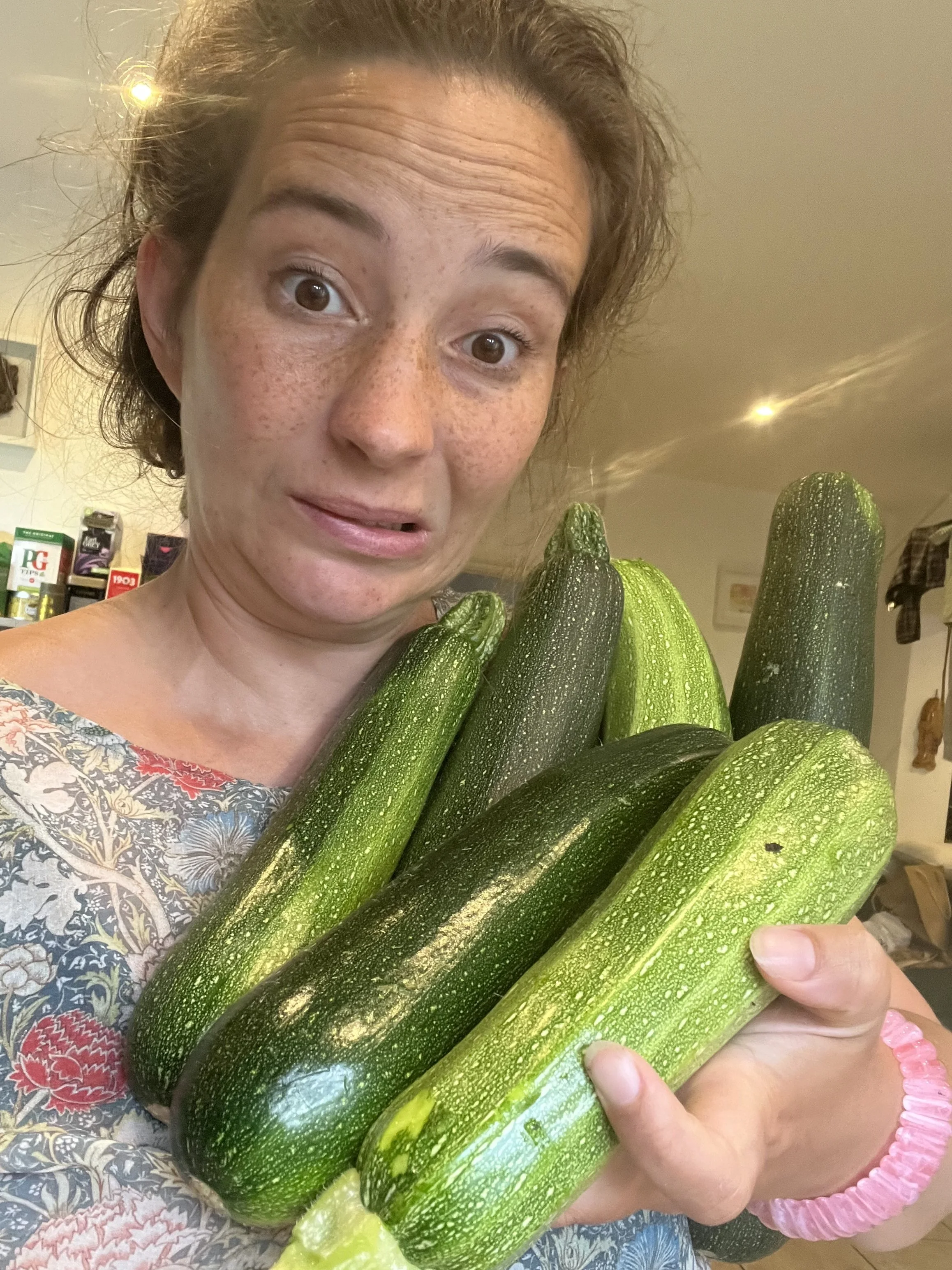
Drowning in courgettes
This cycle of anticipation, glut and satiation (bordering on revulsion) is one of the great, unspoken delights of growing your own, what foodies elegantly call ‘eating seasonally’. I have seen neighbours walk from door to door offering free courgettes only to be turned away. Last summer, I took a bag of them to a friend’s dinner (with a bunch of garden flowers for good measure) only to find that another couple had brought courgettes too. The host accepted them with muted enthusiasm and proceeded to serve up a batch gifted to them by a relative the week before. Last July, as I ate my first ripe, warm tomato of the year, I thought I could eat them forever, but by September I couldn’t stand the sight of them. I sound ungrateful, but in fact this process is what keeps us anticipating, gardening, planning and sowing the next crop. Nobody wants to eat the same thing all year.
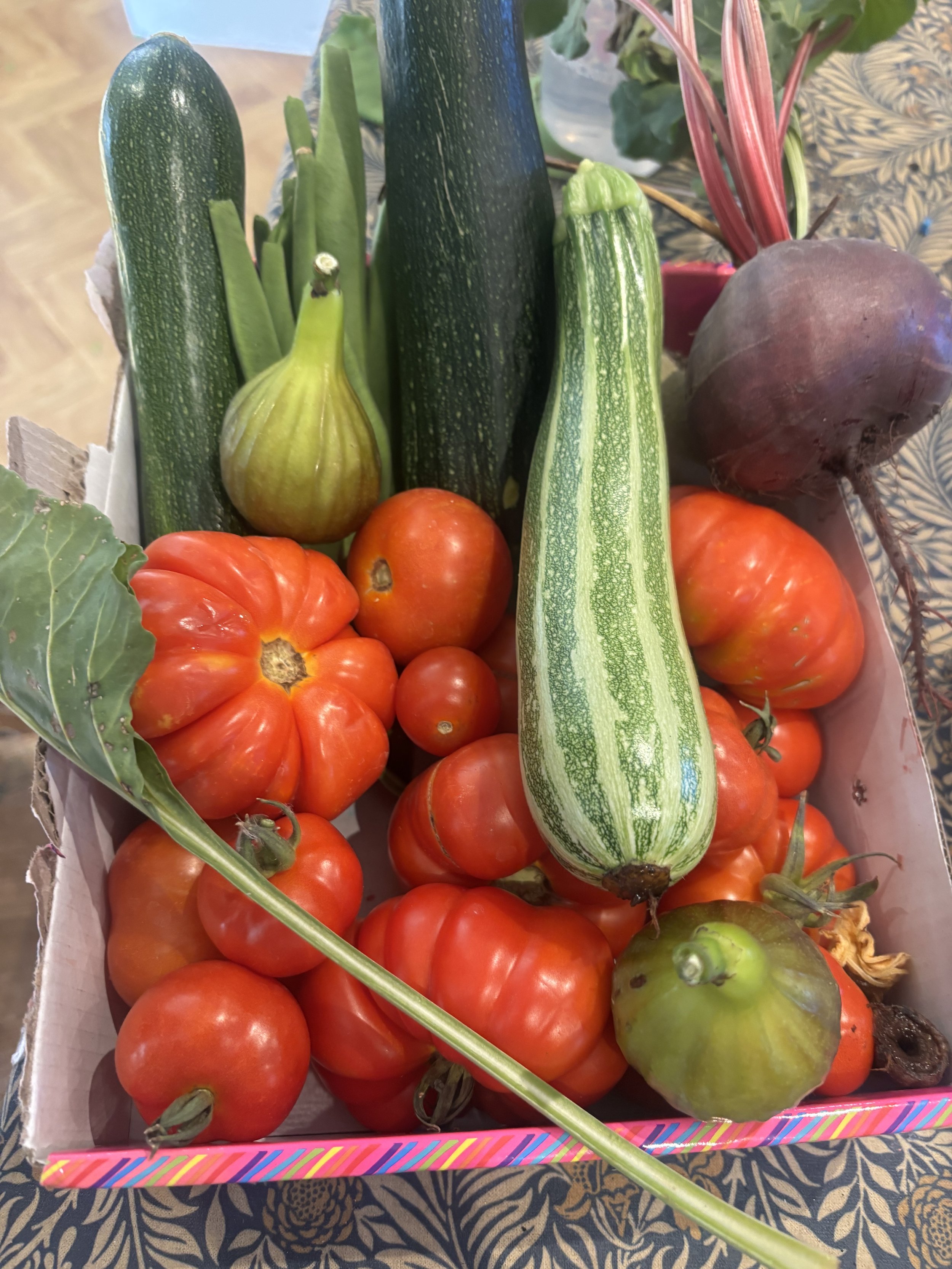
This spring I’ve doubled the size of our veg garden, and as I reach April, my peak month for sowing and planting, I’m trying to think hard about what to grow and how to use the space. My vegetable garden here is joyful and productive but has to fit into spare moments around family and work. I’m drawn to low-maintenance vegetables that either crop repeatedly, store easily (without needing to be processed, pickled and fermented by Martha Stewart) or that naturally stagger themselves.
Staggering
Root vegetables have been invaluable for providing a slow, staggered drip-feed of veg for my kitchen. Having sown a few rows of carrots in March, my children will pull them up at various sizes through to July when a second sowing will take over until late autumn. Apart from the initial week of keeping germinating seed moist, the only real challenge has been to keep the children off them until they are big enough to be worth eating. Last summer, at his birthday party my four-year-old and friends secretly pulled each carrot out in turn to check progress before popping them back into their holes again.
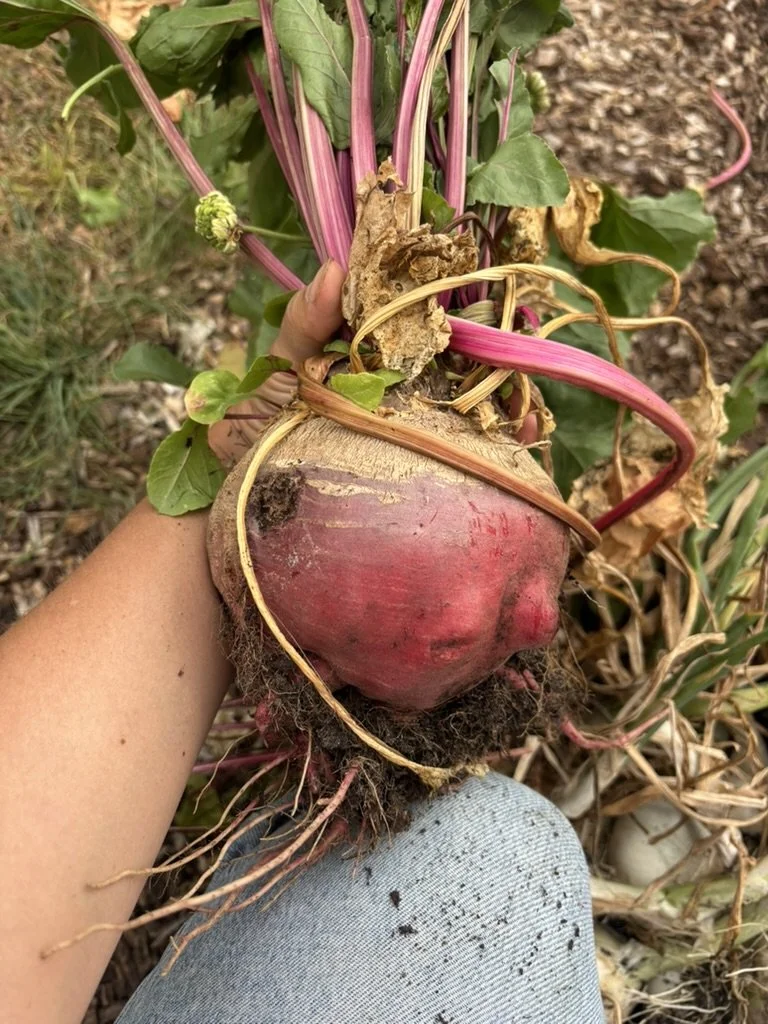
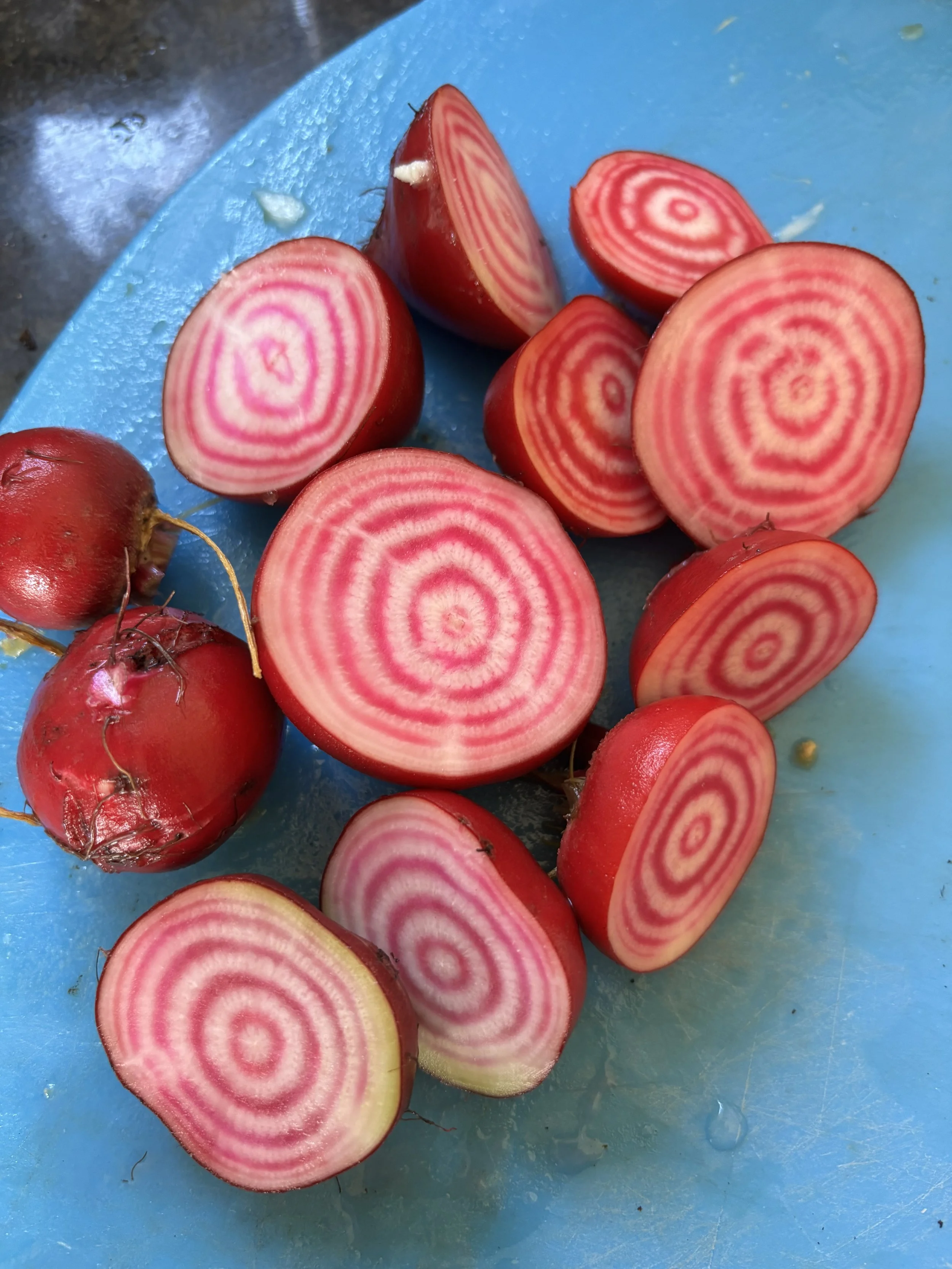
My kids won’t touch beetroot with a barge pole, but I love them and find them the ultimate low-maintenance, long-harvest vegetable. The leaves are fantastic, much better than spinach or chard, giving an added crop in the space. Having sown one bed of them in March we eat them from May, when they are the size of plums, to September, by which time they are like large grapefruits. Some visitors make snooty comments about whether they get woody and are less tender when large. I haven’t found this at all and having sown red ‘Boltardy’, striped ‘Chioggia’ and yellow ‘Burpees Golden’ I find the drip feed of bright colour from May to November a delight. Parsnips are similarly brilliant and this week I have sown enough that they will hopefully last through to winter. Following tradition, I’ve sown radish on top of the slow-germinating parsnips, marking the row, shading the ground and as a quick bonus crop.
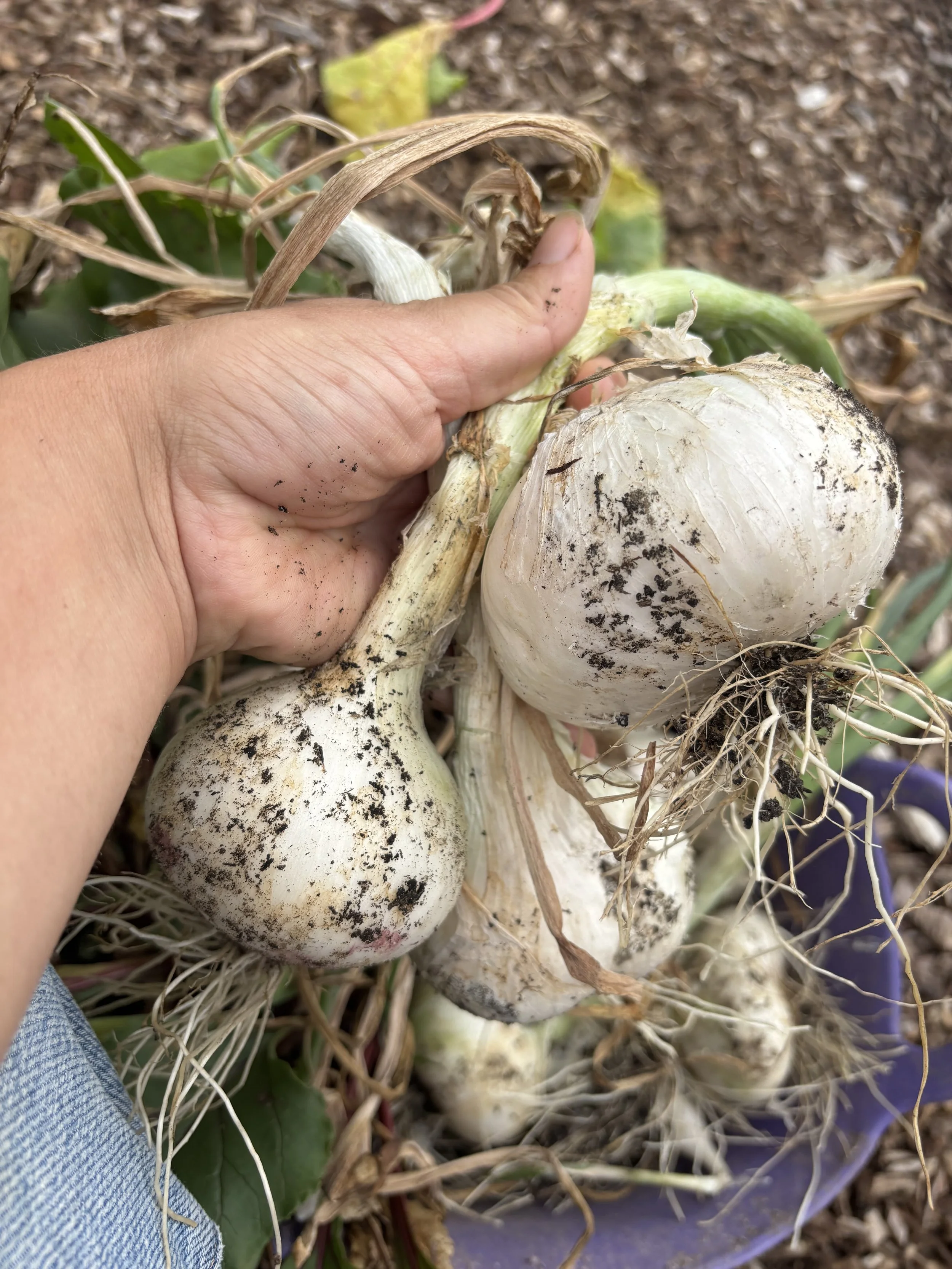
‘Overgrown’ spring onions
I’ve also found spring onion and leeks take care of themselves. My March-sown spring onions are now ready to plant out in multi-sown modules. We pull them gradually when young but have also found them delicious when they mature to full size, meaning there is no pressure to use or lose them. They’re available for harvest in situ from May to mid-August when any remaining large onions are brought in and used. ‘North Holland Blood Red’ is particularly good for this, but all spring onions behave similarly. I’ve also sown a pot of leeks this week and, after the fiddle of ‘dibbing’ them into deep holes when they are larger, they will grow as a living larder to be raided as and when I need them, any time from late summer through to next spring.
Storing
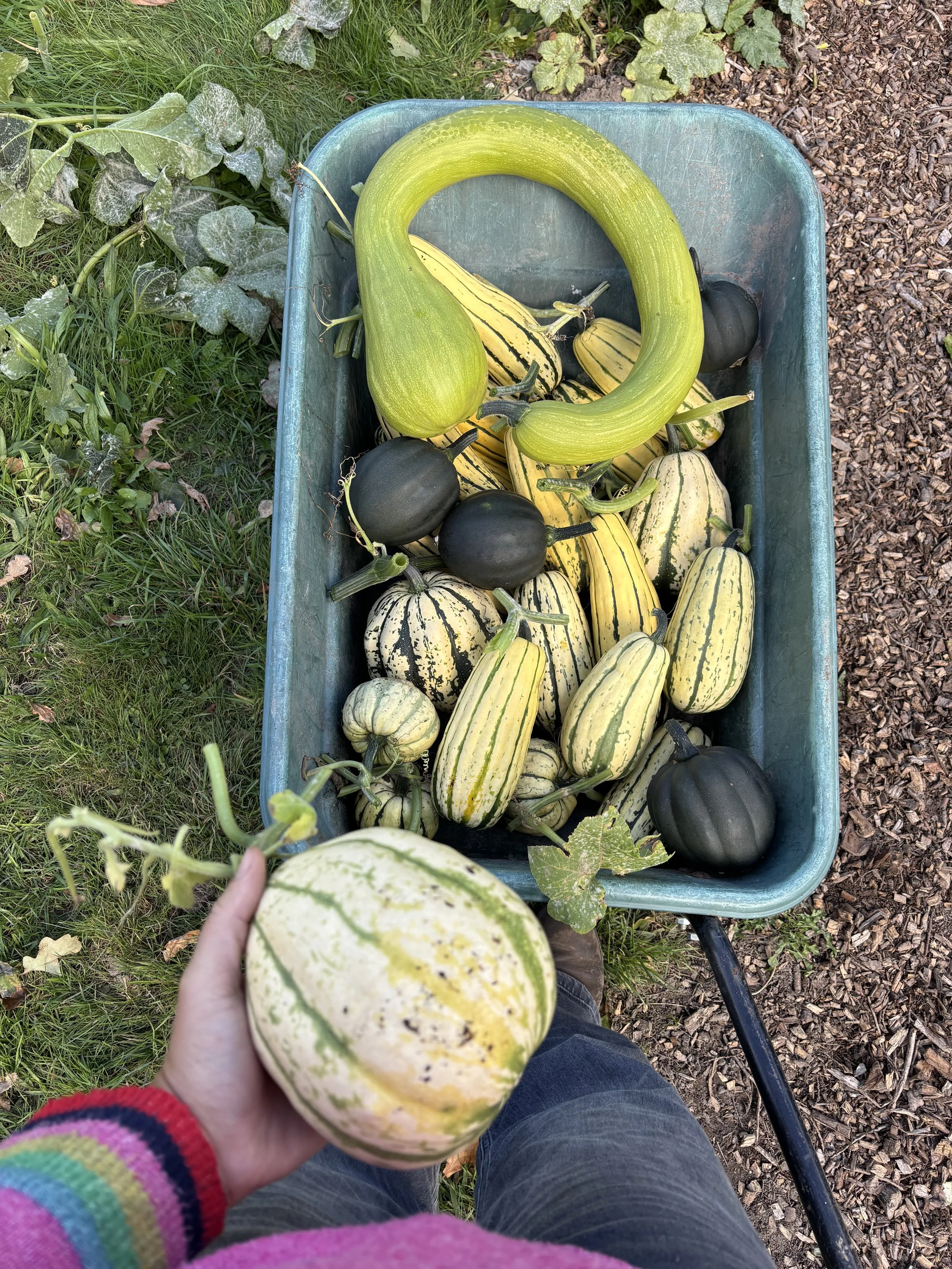
A mix of smaller squash, ‘Harlequin’, ‘Sweet Dumpling’, ‘Honey Bear’ and ‘Bush Delicata’
I love to cook but, sadly, complicated preserving of home produce is currently beyond me. I lean towards vegetables that will store over winter without needing preparation and which improve with storage rather than looking increasingly soft and sad. Winter squash are brilliant for this and I take childish delight in growing a new roster of weird and wonky ones each year. Last autumn, we harvested just over 50, with a mixture of large ‘Crown Prince’ brought out with ceremony for big dinners and special occasions, down to little ‘Honey Bear’, a perfect dinner for one. Best of all is ‘Bush Delicata’, which has tender skin, sweet flesh and is the perfect size for two people. Theoretically it doesn’t store for so long, but we are still happily eating them now and they taste great. Although large squash are deeply satisfying to grow, once you cut them open they need to be eaten pretty quick. Growing a range of smaller ones means you can dip into your stores here and there without needing to eat squash every day for a week.
Elephant garlic is good for storing and exciting to cook with. Each plump clove fills the palm of my hand and there is a thrill to serving them up roasted at dinner and watching your friends pale as they work out how to tackle them.
Stretching Seasons
Last autumn some kind friends helped me to collect and rehome a large greenhouse and I’ve given some of the floor space over to beds in the hope of stretching out harvests at the start and end of the season. I’m hoping to bring some courgettes on early under cover this spring, and last year I used an August sowing of dwarf French bean ‘Purple Teepee’ to provide beans well into autumn when the runner beans outdoors had given up. I’m still eating beautiful pink chard that overwintered healthily in the greenhouse, undamaged by frost and I’ve found that September sowings of rocket, parsley, spinach and salad leaves keep us supplied with healthy greens through the winter, albeit at the coldest point in the year, when we are least inclined to eat them.
In one of its routine advertising misfires, Instagram has recently taken to selling me fibre supplements as the panacea for good health and long life. Little does it know how far over my daily fibre goals I must be as I find myself struggling to digest the bounty of my own garden. As I wash the slugs off a sink full of chard and throw the stalks into a pan, my husband enters the kitchen and sighs. Our third meal of chard this week, I have added it to curries, quiches and casseroles and still it grows. I crush in some garlic and a pinch of cumin and feel grateful for the vibrant pink stems and earthy taste of the leaves, but I find myself longing for my first fresh tomato and buttery runner beans. Before I serve up dinner I make a mental note: mid-April, I absolutely must sow some courgettes.